
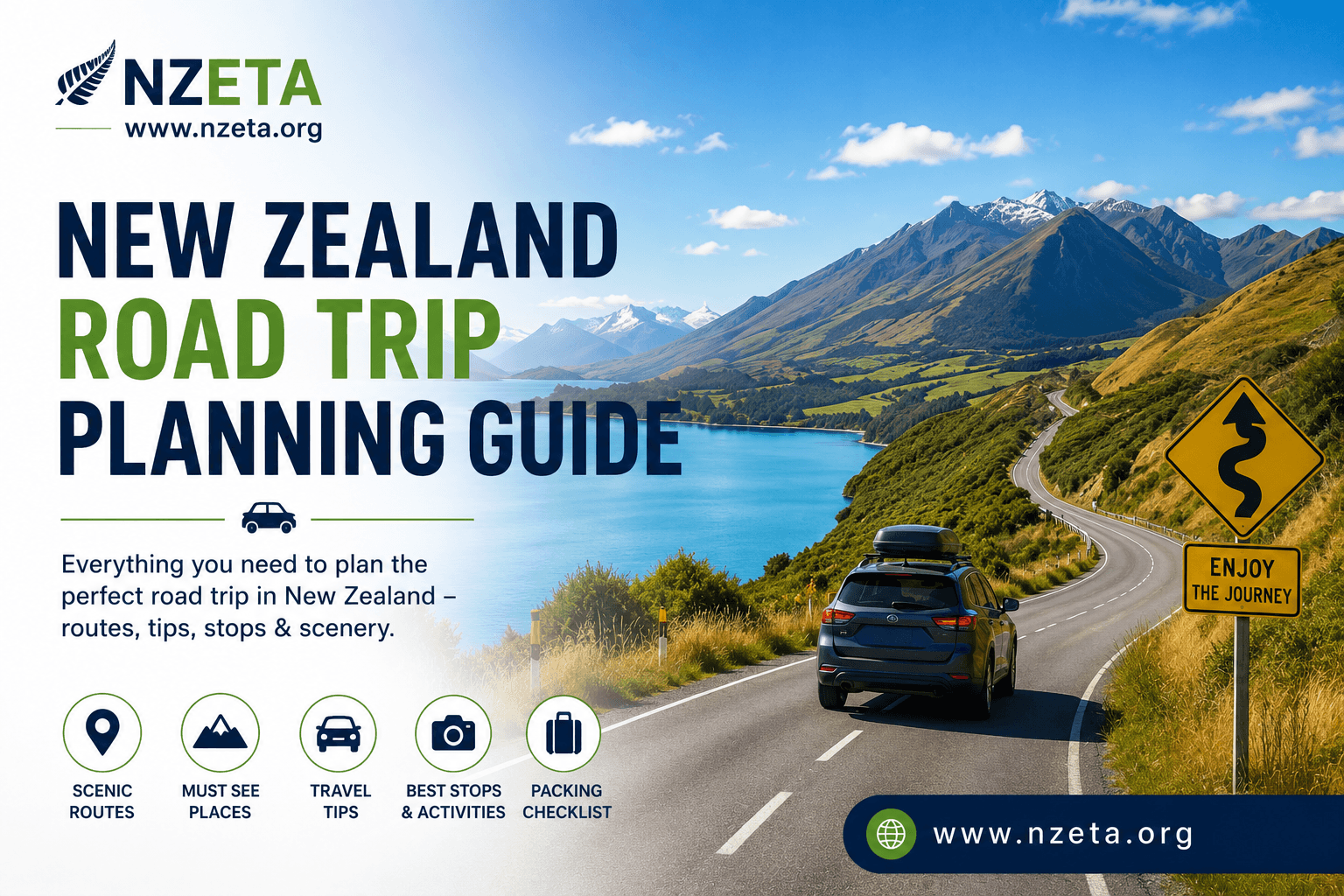
A road trip through New Zealand is a quintessential travel experience. From pristine beaches to alpine mountains, from geothermal wonders to fiord landscapes, a road trip lets you experience New Zealand's incredible diversity at your own pace. Unlike traditional tours, self-driving gives you complete freedom to explore hidden gems, stop at scenic viewpoints, and interact with locals. This comprehensive guide covers everything you need to know to plan a safe, enjoyable, and memorable road trip across one of the world's most spectacular countries.
Before You Drive: Essential Requirements
Valid Driver's License
You must carry a valid driver's license from your home country. An International Driving Permit (IDP) is highly recommended and required by most rental companies. An IDP translates your license into multiple languages and verifies your driving privileges. Apply for an IDP through your country's automobile association before traveling. The IDP, combined with your original license, proves your driving authorization. Without proper documentation, you'll be refused rental and face potential fines if stopped by police.
NZeTA Approval
Ensure your NZeTA is approved before your flight. Most travelers receive approval within 24 hours. Have digital or printed confirmation available. Road trips often involve multiple regions and border-like transitions; having valid travel authorization ensures smooth travel throughout your journey without delays or concerns at checkpoints.
Insurance Coverage
Verify your personal auto insurance covers international driving, or purchase Comprehensive and Collision coverage from the rental company. Basic rental agreements typically include third-party liability insurance, but additional coverage protects you from damage costs. Excess/deductible amounts vary—understand your coverage before signing rental agreements. Consider purchasing additional protection if making risky off-road drives.
Renting a Car in New Zealand
Where to Rent
Major rental companies operate from Auckland, Christchurch, Wellington, and Queenstown airports. Options include Hertz, Avis, Budget, Europcar, and local companies like Jucy and Britz. Booking online in advance typically offers better rates than walk-up rentals. Compare prices across companies—rates vary significantly. Budget NZD $50-120+ per day depending on vehicle type and season. Airport locations are convenient but charge airport fees; city center locations may offer cheaper rates. Consider one-way rentals if driving between islands (additional fees apply).
Vehicle Types & Recommendations
Economy Cars: Cheapest option, good for main highway driving, limited ground clearance
SUVs/4WD: Better for rough roads and camping, higher rental and fuel costs
Campervans: Accommodation and transport combined, limited maneuverability on narrow roads
Motorcycles: Thrilling way to experience scenery, challenging in poor weather
For first-time drivers or those unfamiliar with New Zealand roads, an automatic sedan or small SUV offers the best balance of cost, safety, and comfort. Avoid manual transmissions if unfamiliar with left-hand driving. Consider vehicle size carefully—narrow country roads and tight parking spaces can be challenging with large vehicles.
Fuel & Refueling
New Zealand uses unleaded 91, 95, and 98-octane petrol, plus diesel. Most rental cars use 91-octane fuel. Petrol costs approximately NZD $2.50-3.00 per liter (about $1.50-1.80 USD). Refuel regularly—distances between towns can be substantial, particularly in rural areas. Credit cards are accepted at all service stations. Plan refueling stops on longer drives; rural areas have limited fuel availability, especially at night. Driving efficiently at moderate speeds (100 km/h) optimizes fuel consumption on long distances.
Essential Driving Rules & Safety
Remember: Drive on the LEFT
This cannot be overstated. New Zealand drives on the LEFT side of the road. Vehicles are RIGHT-hand drive. This requires significant adjustment for drivers accustomed to right-hand traffic. Rental companies recommend first-time left-hand drivers practice in light traffic before highway driving. When tired or distracted, instinctively reverting to habitual driving patterns is dangerous. Extra vigilance is required for the first few days of driving.
Speed Limits
Urban areas: 50 km/h (31 mph)
Rural highways: 100 km/h (62 mph)
Motorways/Expressways: 100 km/h (62 mph)
Speed limits are strictly enforced with speed cameras and mobile radar. Exceeding limits results in fines (NZD $50-1,000+ depending on excess). Rental companies may charge additional fees if you receive traffic violations. Adjust speeds based on road conditions, visibility, and weather. Local driving patterns often exceed speed limits—resist this temptation. Speed-related accidents are common among rental drivers unfamiliar with roads and driving on the left.
Seatbelts & Safety
All occupants must wear seatbelts—front and rear. Children under 7 years require appropriate car seats. Driving under the influence of alcohol is illegal and dangerous. Blood alcohol limits are strict; many rental drivers choose to avoid alcohol entirely while driving. Mobile phone use while driving is prohibited; use hands-free systems if taking calls. Fatigue is a significant risk factor in New Zealand road accidents—take regular breaks every 2-3 hours.
Parking & Parking Fees
Auckland, Wellington, and Christchurch city centers have paid parking. Parking fees range from NZD $2-6 per hour. Many attractions have free or low-cost parking. Never leave valuables visible in vehicles—break-ins targeting rental cars are common in cities. Lock vehicles and remove keys even for brief stops. Park in well-lit, populated areas when possible. Avoid parking in unfamiliar neighborhoods after dark.
Scenic Routes & Driving Itineraries
South Island Scenic Route (7-10 days)
Start Christchurch → Lake Tekapo → Queenstown → Milford Sound → Te Anau → Lake Pukaki → Christchurch. This iconic route covers some of New Zealand's most spectacular scenery: turquoise lakes, dramatic mountains, and unique fiords. Allow time for hiking, scenic drives, and adventure activities. Milford Sound requires a full day; Queenstown merits 2-3 days. Winter weather can impact mountain passes; check road conditions before traveling June-August.
North Island Classic Route (5-7 days)
Auckland → Waitomo Caves → Rotorua → Taupo → Wellington. This route includes geothermal wonders, cave systems, and cultural experiences. Rotorua's geysers and Maori cultural experiences are highlights. Waitomo Caves offer underground exploration. Wellington is New Zealand's creative capital with excellent museums and dining. Excellent for first-time visitors seeking diverse experiences without extensive driving distances.
West Coast Adventure (4-6 days)
Greymouth → Hokitika → Whataroa → Franz Josef Glacier → Haast. One of New Zealand's most scenic but challenging drives. Roads wind through stunning native forests with dramatic coastal scenery. Franz Josef Glacier offers hiking and scenic flights. Limited accommodation and petrol availability; plan carefully. Weather can impact driving conditions; allow extra time and flexibility in itinerary.
Central Otago Wine Country (3-4 days)
Based from Queenstown or Arrowtown, explore Wanaka, Central Otago wineries, and dramatic alpine scenery. Wine tours, adventure activities, and stunning autumn colors (March-April) make this route popular. Narrow mountain roads require careful driving. Enjoy wine tastings responsibly—designate non-drinking drivers for safety.
Road Conditions & Hazards
Weather & Seasonal Hazards
New Zealand weather is changeable and unpredictable. Summer (December-February) offers best conditions but peak tourist traffic. Winter (June-August) brings snow to alpine areas and potential road closures. Spring and autumn offer variable weather. Check weather forecasts and road condition reports before long drives. Mountain passes may close without notice during winter storms. Autumn and spring can bring rapid weather changes; always carry rain jackets and appropriate clothing in vehicles.
Gravel Roads & Mountain Passes
Many scenic routes include unpaved gravel sections. Slow down on gravel—loose stones reduce traction. Popular gravel roads include Milford Sound approach and Glenorchy to Paradise. Some rental agreements prohibit gravel road driving or charge additional fees. Verify coverage before taking gravel roads. Four-wheel-drive vehicles handle gravel better than standard cars. Fill fuel tanks before remote gravel sections where petrol stations are rare.
Wildlife Hazards
New Zealand has no dangerous land animals, but road hazards include sheep and deer on remote roads. Slow speeds through farmland reduce collision risks. Some areas have wombats and other marsupials (South Island). Nocturnal wildlife movement peaks at dawn and dusk; adjust driving accordingly. Report injured animals to local authorities.
Money Saving Tips
- Book rental cars online in advance for better rates
- Compare daily rates across multiple companies
- Consider renting from city locations rather than airports (no airport fees)
- Refuel before reaching remote areas where petrol is more expensive
- Drive at steady speeds (100 km/h) to optimize fuel consumption
- Use free attractions and scenic viewpoints rather than paid tours
- Pack picnics rather than eating at every stop
- Stay in free or budget accommodations (DOC campgrounds)
- Travel during shoulder seasons (March-May, September-November) for lower prices
- Use public toilets rather than purchasing café drinks for restroom access
Emergency & Recovery Services
Emergency: Dial 111 for police, ambulance, or fire in emergencies
Road Assistance: Most rental companies provide roadside assistance numbers
Non-Emergency: Local police non-emergency numbers differ by region
In case of accident, move vehicles to safe locations away from traffic. Turn on hazard lights. Call 111 if anyone is injured. Exchange contact and insurance information with other parties. Take photos of damage and scene. Report accidents to rental company immediately. Most rental companies provide assistance numbers on the rental agreement; save these numbers in your phone before driving.
Ready for Your Road Trip?
Ensure your NZeTA is approved and your documentation is ready before your flight.
Apply for NZeTA →Final Road Trip Checklist
- ✓ Valid driver's license + International Driving Permit
- ✓ NZeTA approval confirmed
- ✓ Car rental booked and confirmed
- ✓ Insurance coverage understood and documented
- ✓ Vehicle checked for damage before driving away
- ✓ Emergency contact numbers saved in phone
- ✓ Road maps or GPS navigation programmed
- ✓ Weather forecast checked for planned route
- ✓ Accommodation pre-booked for first 2-3 nights
- ✓ Petrol tank full before leaving rental location
- ✓ Phone charged and loaded with offline maps
- ✓ Cash available for tolls and unexpected expenses