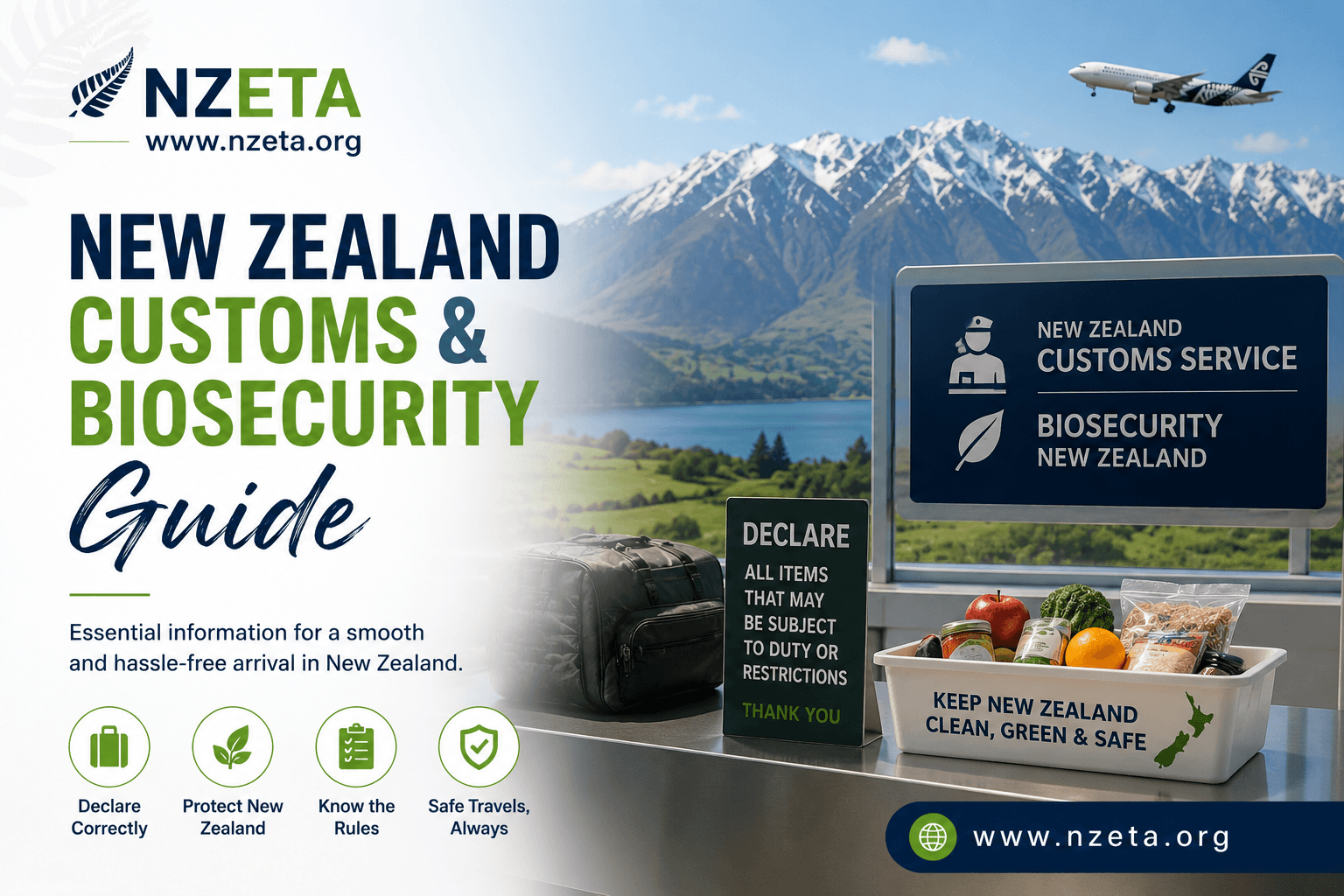
New Zealand takes biosecurity extremely seriously. The country's strict customs and biosecurity regulations protect its unique ecosystem from pests, diseases, and invasive species. Understanding these rules before you travel is essential to avoid fines, confiscation of goods, or even prosecution. This comprehensive guide covers everything you need to know about bringing items into New Zealand.
Why New Zealand Has Strict Biosecurity
New Zealand is geographically isolated with a unique ecosystem that evolved without many predators and pests found elsewhere. Introducing foreign species could devastate native plants and animals. New Zealand's agricultural sector also depends on maintaining pest-free status, allowing for premium produce exports. This is why customs inspections are thorough and penalties for violations are severe.
Duty-Free Allowances
Each traveler (18 years and over) can bring certain items duty-free into New Zealand:
- Alcohol: Up to 1.125 liters of wine, beer, or spirits (or 3 liters total)
- Tobacco: 50 cigarettes, 50 grams of cigars, or 50 grams of tobacco
- Perfume: 125ml of perfume or eau de cologne
- Other goods: Up to NZD $700 worth of goods duty and tax-free
Items exceeding these limits will incur customs duty and GST (15%). Keep receipts and declare everything accurately.
Prohibited Items - Biosecurity
Food Products
Most fresh, raw, and unprocessed food items are prohibited:
- Fresh fruits and vegetables (apples, oranges, lettuce, potatoes, etc.)
- Fresh meat, poultry, and seafood
- Dairy products (cheese, milk, yogurt)
- Eggs and egg products
- Nuts in shell
- Honey and bee products
- Seeds and plants
What Food IS Allowed
Some processed and packaged foods are allowed if properly sealed:
- Processed meat products (bacon, ham, salami)
- Commercially packaged biscuits and breads
- Vacuum-sealed nuts and dried fruit
- Chocolate and confectionery
- Pasta and rice in sealed packages
- Canned goods (except if containing dairy or meat products)
Animals and Animal Products
- Live animals (pets require special permits)
- Feathers and feather products
- Fur and fur products
- Untreated animal hides and skins
- Wool and hair in unprocessed form
- Shells and shellfish products
Plants and Soil
- Fresh flowers (some exceptions for commercially packaged)
- Plants and seedlings
- Seeds and plant material
- Soil and potting mix
- Cut wood and wooden items
Restricted Items (Require Declaration)
These items are allowed but must be declared and may require inspection:
- Medications (bring original prescriptions and doctor's letter for prescription drugs)
- Sports equipment (tennis rackets, hiking boots, bicycles)
- Camping equipment (tents, sleeping bags)
- Golf clubs and sporting gear
- Musical instruments
- Camera equipment
- Laptops and electronic devices
- Firearms and ammunition (very strict regulations)
- Certain fabrics and textiles
Prohibited Items - General
- Firearms and weapons (unless with special permit)
- Explosives and flammable materials
- Illegal drugs
- Counterfeit goods
- Protected animal and plant products (ivory, endangered species)
- Obscene materials
- Certain hazardous substances
The Customs Declaration Process
When arriving in New Zealand, you must:
- Complete a Passenger Arrival Card before landing
- Declare all items in your baggage honestly
- Present baggage for inspection if requested
- Answer questions truthfully at the customs counter
- Pay any applicable duties or taxes
Important: Lying on customs forms is a criminal offense with penalties including fines up to NZD $5,000 and potential prosecution.
Penalties for Non-Compliance
| Violation | Potential Penalty |
|---|---|
| Bringing prohibited biosecurity items | Items confiscated, up to NZD $600 fine |
| False customs declaration | Up to NZD $5,000 fine or prosecution |
| Exceeding duty-free limits without declaration | Customs duty + 10% penalty + GST |
| Bringing restricted animal/plant products | Confiscation, potential prosecution |
Tips for Smooth Customs Clearance
- Arrive at customs with plenty of time before your flight departure
- Pack new electronics in original packaging with receipts
- Keep all medication in original labeled bottles
- Don't pack prohibited items - they will be confiscated
- Declare everything honestly - customs officials are trained to spot false declarations
- Be prepared to open bags for inspection
- Allow extra time if you have many items to declare
Returning Through New Zealand Customs
When returning to your home country through New Zealand, the same customs rules apply. Items purchased in New Zealand duty-free may have different restrictions when entering your home country - check with your country's customs regulations.
Coming to New Zealand?
Make sure your NZeTA is approved before you pack. Most travelers get approval within 24 hours.
Apply for NZeTA Now →FAQ
Can I bring souvenirs from my home country?
Only if they don't contain prohibited materials. Wood carvings, artwork, and textiles are generally fine. Avoid items made from animal skins, shells, or endangered species.
What if I accidentally bring prohibited items?
Declare them immediately at customs. Customs officers may confiscate the item, but you'll avoid more serious penalties like fines or prosecution for false declaration.
Can I bring my pet dog to New Zealand?
Pets require special permits and must comply with strict quarantine and health requirements. Consult with the Ministry for Primary Industries well before travel.
Can I bring prescription medication?
Yes, but bring medication in original labeled containers and carry a doctor's letter or prescription. Declare all medications at customs.